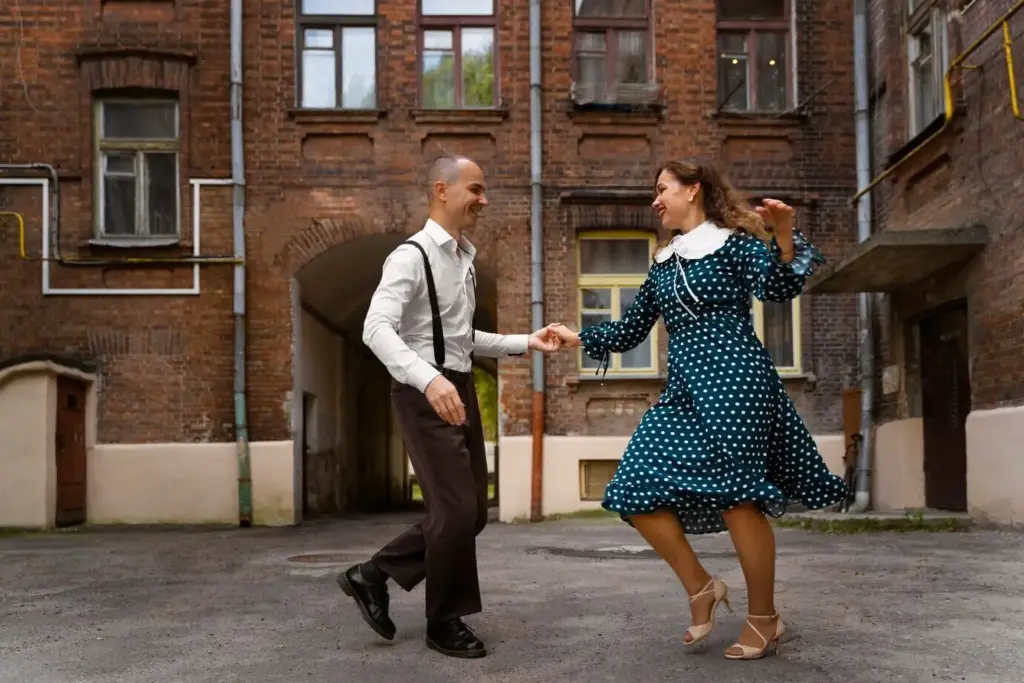
An Afternoon of Gentle Tango, Tea, and Companionship
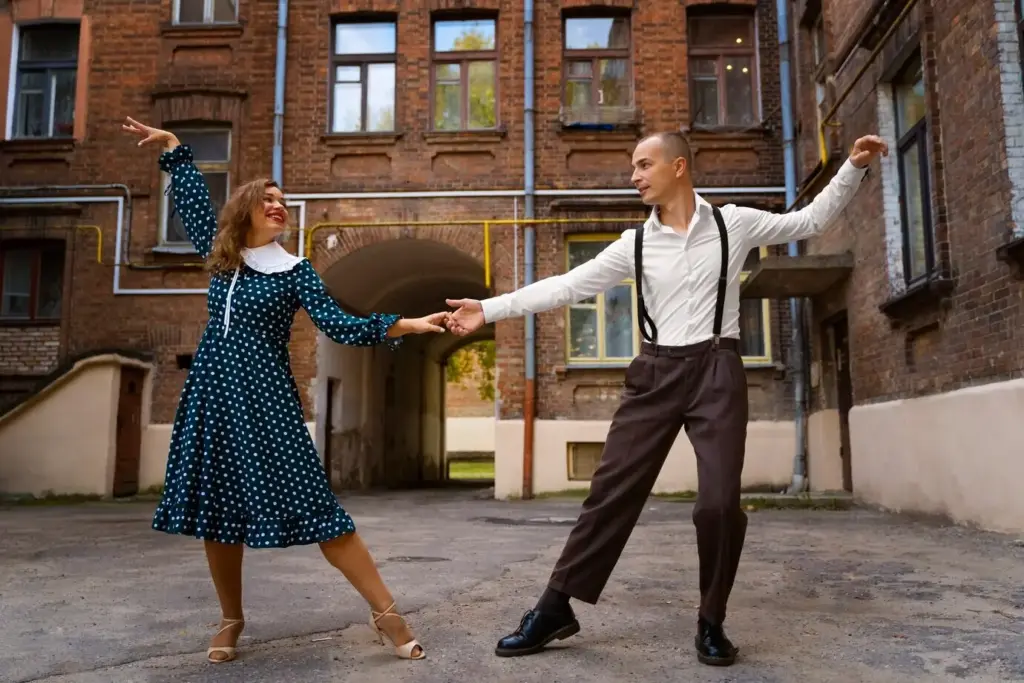
Start With a Warm Welcome
Health and Safety With Elegant Ease
Balance, Posture, and Joint Comfort
Simple tango walking encourages upright alignment, a grounded stance, and mindful foot placement that supports stability. We cue soft knees, gently stacked posture, and compact steps that protect hips and ankles. Rest periods let joints settle, while demonstrations show how to pivot with minimal torque. The leader’s frame focuses on clarity rather than strength, and followers receive signals that are light, considerate, and safe. Over time, these habits enhance confidence in daily movement beyond the dance floor.
Memory, Mood, and Musical Recall
Familiar melodies often unlock treasured memories, lighting faces with recognition and ease. Structured sequences—like walking, pausing, and a gentle rock—teach recall through repetition without monotony. Laughter and shared success release tension, while music’s phrasing offers cues that guide steps naturally. We celebrate small wins, like recognizing a chorus or anticipating a cadence, because these moments cultivate pride. Togetherness, improvisation, and playful problem-solving deepen cognitive engagement and keep spirits buoyant long after the last note fades.
Accessibility and Risk Reduction
Our environment favors clarity and comfort: non-slip surfaces, tidy cables, smooth transitions, and ample light. Seated and supported options remain available throughout, and volunteers discreetly monitor spacing to prevent collisions. Hydration, snack breaks, and nearby restrooms help maintain energy. We encourage honest communication about fatigue or discomfort, adapting footwork or tempo as needed. Quiet spaces welcome guests seeking sensory relief. Every detail serves one purpose—ensuring you can participate fully, safely, and joyfully at your own pace.
Curated Golden-Era Playlists and Tempos
Live Musicians and Community Talent
Tea, Treats, and Conversation Nooks
Learning the Dance, Your Way
Foundations: Embrace, Walk, and Musicality
The embrace rests lightly—enough contact for guidance, enough space for comfort. We prioritize shared axis, compact steps, and clean weight transfers. Walking becomes art when linked to phrasing: pause on a cadence, breathe through a long violin line, step decisively on the downbeat. Students learn to listen first, then move, refining sensitivity to subtle cues. With respectful adjustments and steady rhythm, even the simplest sequence feels expressive, elegant, and deeply satisfying in body and heart.
Adaptations: Seated, Supported, or Solo
Everyone dances differently, and every day feels unique. Seated variations mirror standing patterns using torso expression, arm lines, and musical accents. Supported options incorporate canes or railings without losing grace. Solo practices—marking steps, tapping rhythms, or tracing figures with fingertips—build understanding safely. We demonstrate micro-pivots that reduce strain and suggest smaller step lengths for stability. These flexible approaches honor comfort while preserving artistry, proving that tango’s poetry belongs to all bodies, not only athletic ones.
What to Wear and Bring
Comfortable Shoes and Safe Soles
Choose shoes with secure backs, low heels, and smooth-but-not-slippery soles, allowing controlled pivots and confident walking. Avoid sticky rubber that halts movement or slick finishes that over-spin. If needed, add suede dance patches for moderate glide. Test footwear at home to check stability, then bring a backup pair. Prioritize toes that can wiggle, arches that feel supported, and heels that stay grounded. Happy feet translate into relaxed shoulders, quieter steps, and more expressive musical phrasing.
Layers, Accessories, and Mobility Aids
Temperature shifts as energy rises, so wear breathable layers that remove easily between tandas. Keep accessories minimal and soft to avoid snags—smooth bracelets, secure earrings, and light scarves. Canes, walkers, or supportive braces are welcomed without fuss; our floor plan accommodates turning radiuses and seated rest spots nearby. Bring reading glasses, hearing-aid batteries, and any medication you might need. Feeling prepared frees attention for music, conversation, and the steady delight of moving comfortably together.
Community Stories and Invitations
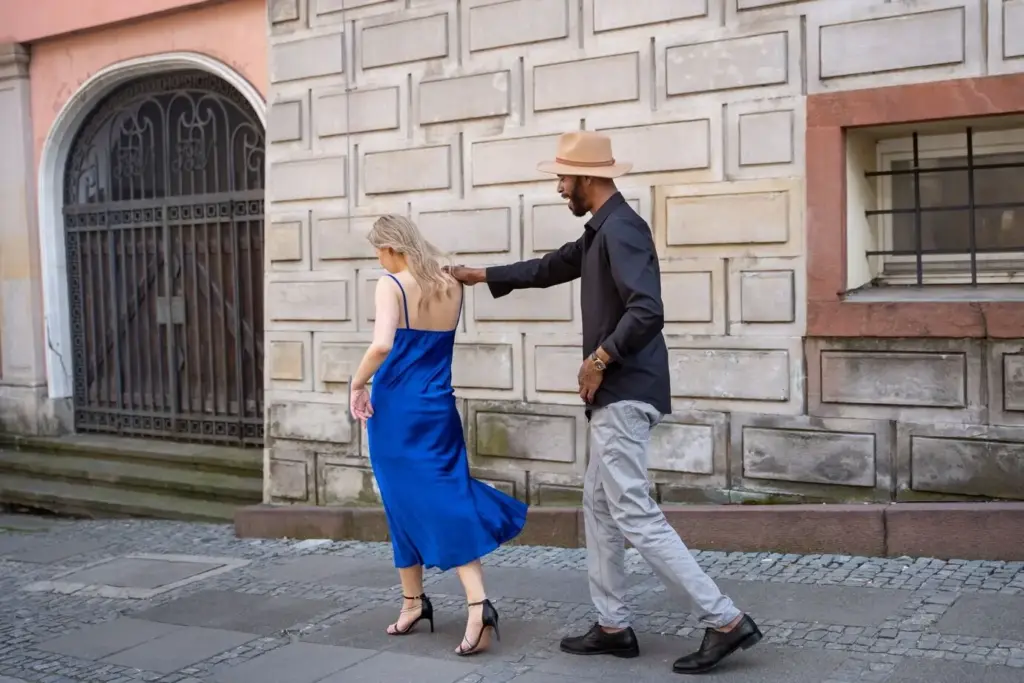
Eleanor’s First Ocho at Seventy-Six