Afternoon Steps, Timeless Smiles

Today, we explore the history and modern revival of tea dances for older adults, tracing their journey from elegant Edwardian afternoons to welcoming community gatherings. Expect practical guidance, uplifting evidence, and heartfelt stories showing how music, movement, and shared treats turn ordinary days into unforgettable connections. Bring a curiosity for graceful steps and a taste for warm conversation; we will honor the past while embracing accessibility, inclusion, and joy in the present.

From Edwardian Parlors to Community Halls: A Living Timeline

Tea dances began as refined afternoon socials in Edwardian Britain, often in hotel lounges where a pianolist accompanied gentle waltzes and light refreshments. After the First World War, larger ballrooms welcomed mixed ages, modest ticket prices, and safer daylight hours. By the 1930s, orchestras, sequence sets, and community fundraising blended grace with neighborly spirit, establishing traditions that still echo through polished floors and porcelain cups.

Early Twentieth-Century Grace

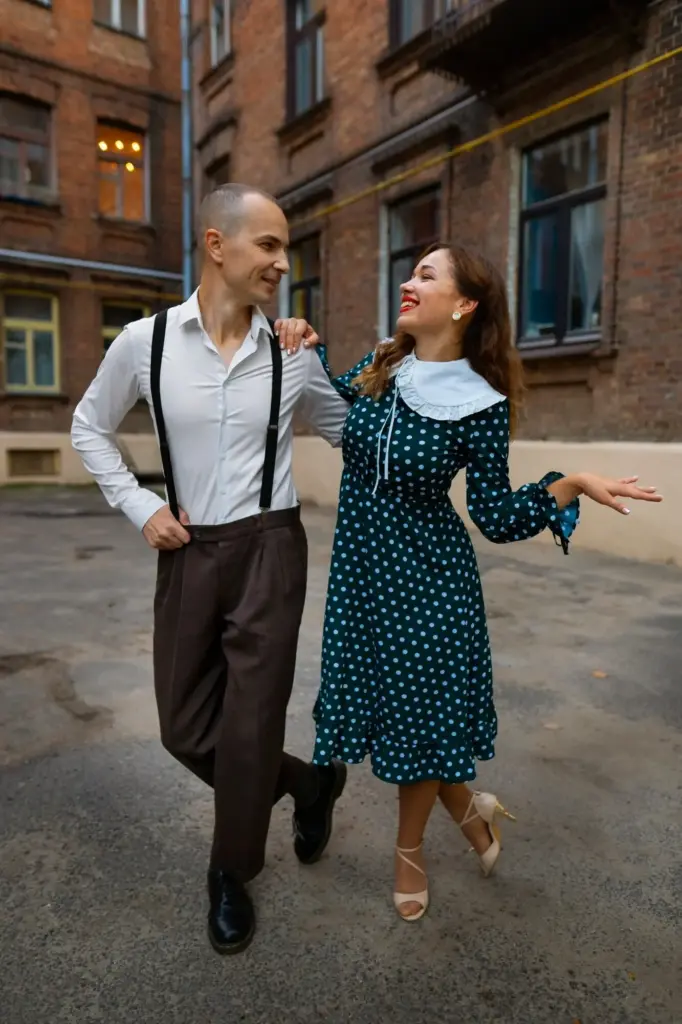
Picture mid-afternoon in 1910: soft light, lace gloves, and careful introductions as partners glide to a slow waltz or stately foxtrot. Expectations favored courtesy and conversation, making attendance appealing to newcomers, especially women seeking independence within respectful, supervised spaces that encouraged poise without pressure.

Jazz Age Transformations

As jazz swept Britain and beyond, the afternoon repertoire expanded with quicksteps and occasional Charleston flourishes, while manners remained inviting. Bands tested brighter tempos, prompting organizers to post dance cards and gentle reminders so everyone could savor music, mingle safely, and learn new steps together.

Why They Matter Now: Health, Joy, and Inclusion

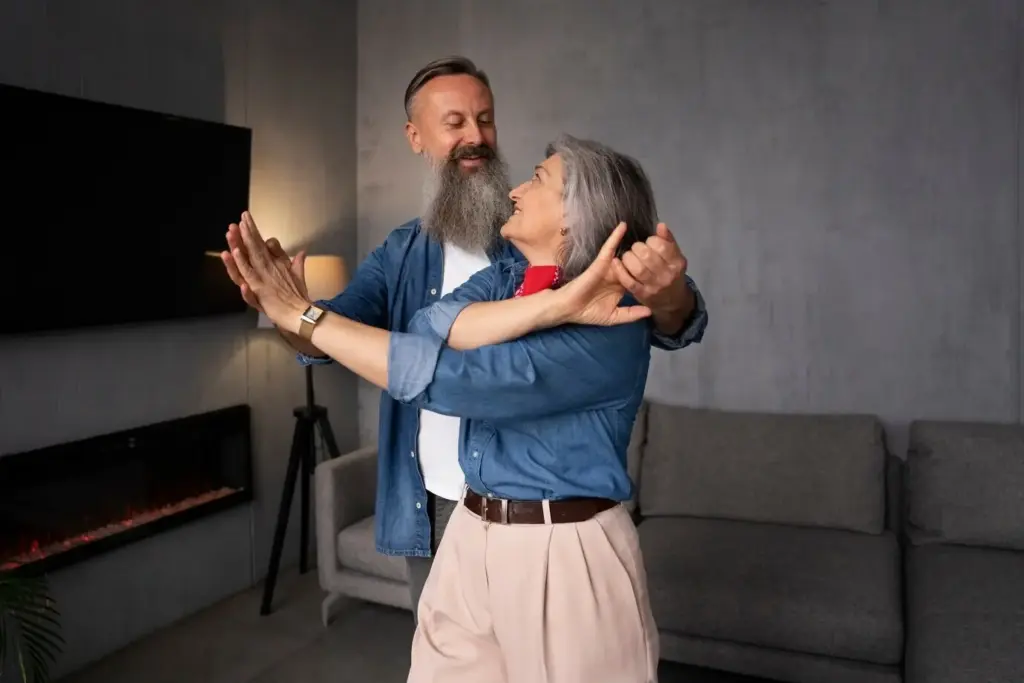
Today, their return supports wellbeing in ways both measurable and warmly human. Gentle partner work enhances balance and gait; memorizing patterns strengthens attention; laughter lowers stress hormones; and regular meetups defeat isolation. These gatherings invite older adults to participate as artists of daily life, shaping identity through movement, music, and shared ritual, rather than sitting on the sidelines of their own stories.

The Soundtrack of Sweet Afternoons

From mellow waltzes to buoyant quicksteps, music sets confidence as surely as polished floors. Afternoon dancing favors mid-tempo tracks with clear phrasing and friendly lyrics, often spanning big band standards, film classics, and early rock and roll. Whether played live or curated digitally, familiar melodies spark memories while encouraging new interpretations for changing bodies and partners.

Etiquette, Safety, and Comfort Without Fuss

Kind customs and thoughtful logistics make afternoons feel easy rather than policed. Clear signage, good ventilation, hand hygiene, and ample seating support comfort. Simple guidance around invitations, floorcraft, and refreshments ensures everyone, including shy newcomers or those with mobility challenges, can relax, participate, and enjoy lingering conversations afterward.

Space That Dances With You

Room shape matters; squares favor easy corners for sequence sets, while rectangles support lane-like travel for foxtrot. Natural light uplifts mood; dim, not dark, lighting enhances safety. Nearby parking, drop-off zones, and coat storage reduce stress before the first chord begins.

Program Flow That Respects Energy

Open with a warm welcome, two gentle dances, and a brief orientation. Alternate tempos, include mixers, and schedule a generous tea interval midway. Offer an optional taster lesson, then end with a beloved waltz, expressing thanks and future dates while collecting feedback anonymously.

Stories From the Floor: Voices and Memories

Real experiences reveal impact better than data alone. Again and again, older dancers describe sleeping better, smiling sooner, and caring more for neighbors. When the band strikes up a sentimental foxtrot, grief softens; when a quickstep bubbles, resilience returns. Here are glimpses worth carrying home.

Eleanor’s Return to the Foxtrot

After a cautious hip replacement recovery, Eleanor tried a chair-based warmup, then a slow stroll in dance hold. Weeks later, she completed a full foxtrot, beaming at the final box step. Her surgeon noticed steadier gait, but she noticed something bolder: courage blooming alongside tea and applause.

Frank Finds Friday Laughter Again

Widowed after fifty-one years, Frank dreaded quiet weekends. A neighbor brought him to an afternoon with juniors volunteering at the door. He practiced quickstep slows and quicks until jokes returned. Now he saves bus fare, polishes shoes, and mentors newer dancers during mixers without fuss.

Keep the Momentum: Join, Share, and Subscribe

If this glimpse stirred your toes, take a step that suits you. Attend a local afternoon, bring a friend, or host a small practice at home. Subscribe for guides, playlists, and stories, and send us your questions so we can feature solutions from real dance floors.
Mafilekemafuvavilelino
Privacy Overview

This website uses cookies so that we can provide you with the best user experience possible. Cookie information is stored in your browser and performs functions such as recognising you when you return to our website and helping our team to understand which sections of the website you find most interesting and useful.