Move with Grace, Feel the Music

Today we focus on adaptive tango and ballroom techniques for older adults with limited mobility, grounding every step in safety, musicality, and joy. You will find seated and supported options, caregiver guidance, and compassionate progressions that honor individual comfort, celebrate small wins, and invite lifelong dancers—and brand-new beginners—to reconnect with rhythm, confidence, and community in ways that feel empowering, expressive, and beautifully achievable.

Safety First: Gentle Foundations That Build Confidence

Begin by honoring your body’s current needs, prioritizing pain-free ranges, stable support, and clear communication with partners or caregivers. We center breath, posture, and mindful pacing, shaping a warm-up that reduces tension, awakens muscles, and fosters balance without strain. This compassionate foundation opens the door to sustainable practice, predictable improvement, and genuine enjoyment, while encouraging regular breaks, hydration, and attentive listening to sensations, comfort thresholds, and energy throughout each dancing moment.

Breath-Led Alignment and Calm

Inhale to lengthen the spine and softly widen the ribs, exhale to settle shoulders and release jaw tension. Gentle breathing patterns help stabilize the core, reduce dizziness, and guide posture adjustments without force. Try counting slow fours, matching each phrase of music, so calm breath organizes movement, steadies attention, and gives every step a supportive, soothing rhythm that encourages ease, safety, and a welcoming sense of grounded presence.

Joint-Friendly Warm-Up Flow

Start seated with ankle circles, knee marches, and slow hip sways, then progress to gentle shoulder rolls and open-palm wrist spirals. Keep movements small and comfortable, always within a pain-free range. Add light isometric holds for steady core engagement. This sequence warms synovial fluid, awakens proprioception, reduces stiffness, and prepares you for dance patterns that feel smooth, supported, and adaptable, whether you remain seated or stand with light assistance.
Tango Essentials Reimagined for Every Body

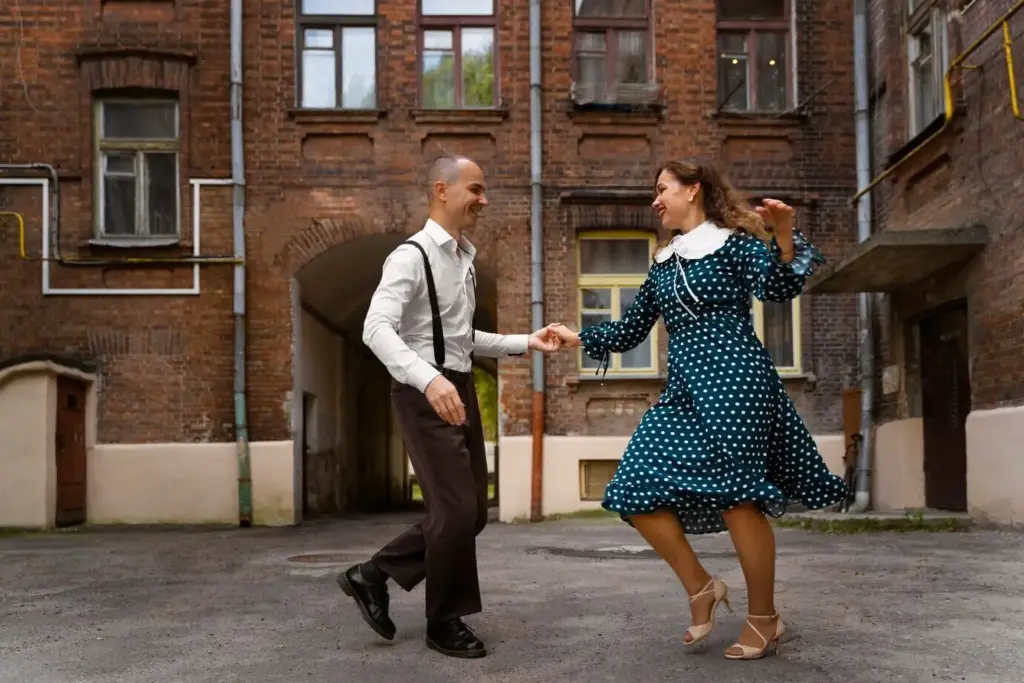
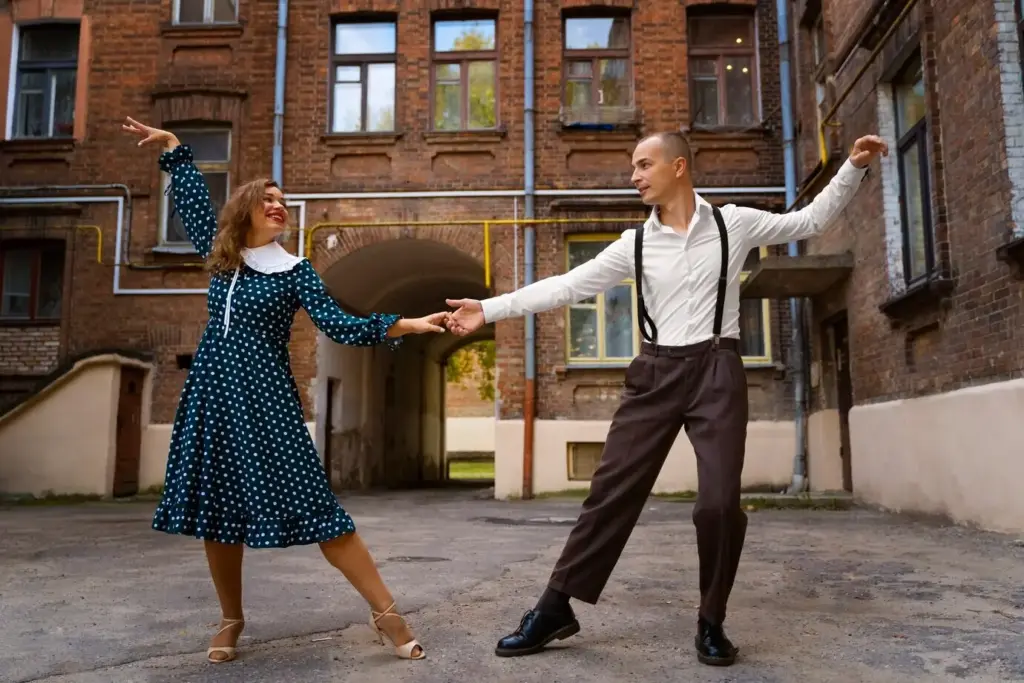
Connection, musical phrasing, and playful contrast define tango’s heart. We preserve these qualities while adapting posture, embrace, and footwork to seated or supported formats. Micro-transfers replace deep lunges, torso intent replaces heavy pivots, and hand communication supports clarity. Slow, deliberate timing emphasizes stability, while lyrical upper-body expression honors tango’s dramatic storytelling, allowing dancers to converse through breath, gaze, and touch without sacrificing safety, comfort, or the nuanced intimacy that makes tango unforgettable.

Waltz and Foxtrot: Floating Without Fatigue
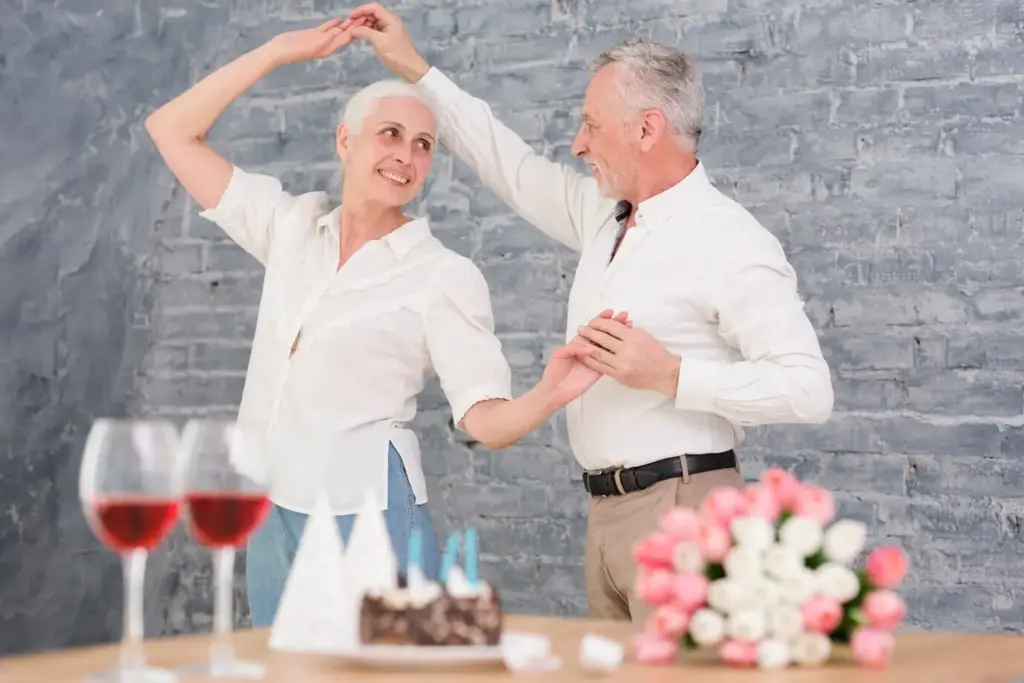
A Gentle Foxtrot Box with Assisted Glide

Map the box step using compact shifts and minimal travel, favoring small directional cues through the hands, elbows, and torso. If standing, use a stable aid or partner counterbalance; if seated, express glide with pelvis roll and shoulder sway. The goal is creamy continuity, not distance covered. Slow music widens your margins, making alignment, timing, and shared ease the stars of your movement story every patient, musical measure.

Breath-Led Rise for a Plush Waltz Feel

Map the box step using compact shifts and minimal travel, favoring small directional cues through the hands, elbows, and torso. If standing, use a stable aid or partner counterbalance; if seated, express glide with pelvis roll and shoulder sway. The goal is creamy continuity, not distance covered. Slow music widens your margins, making alignment, timing, and shared ease the stars of your movement story every patient, musical measure.

Turning Small, Turning Safe

Map the box step using compact shifts and minimal travel, favoring small directional cues through the hands, elbows, and torso. If standing, use a stable aid or partner counterbalance; if seated, express glide with pelvis roll and shoulder sway. The goal is creamy continuity, not distance covered. Slow music widens your margins, making alignment, timing, and shared ease the stars of your movement story every patient, musical measure.

Functional Strength, Balance, and Mobility Through Dance

Dance becomes training when dosage, rest, and progression are intentional. We blend rhythm-based core work, gentle ankle-knee-hip patterns, and stability drills that respect fatigue and encourage consistency. Short sets with generous recovery sustain quality and reduce overwhelm. Resistance bands, cushions, and light hand support provide adaptable challenges. Over time, improved postural endurance, reaction timing, and directional control translate into safer daily movement and greater confidence navigating hallways, doorways, kitchens, and community spaces.

Partnering with Caregivers: Clear Signals, Kind Support
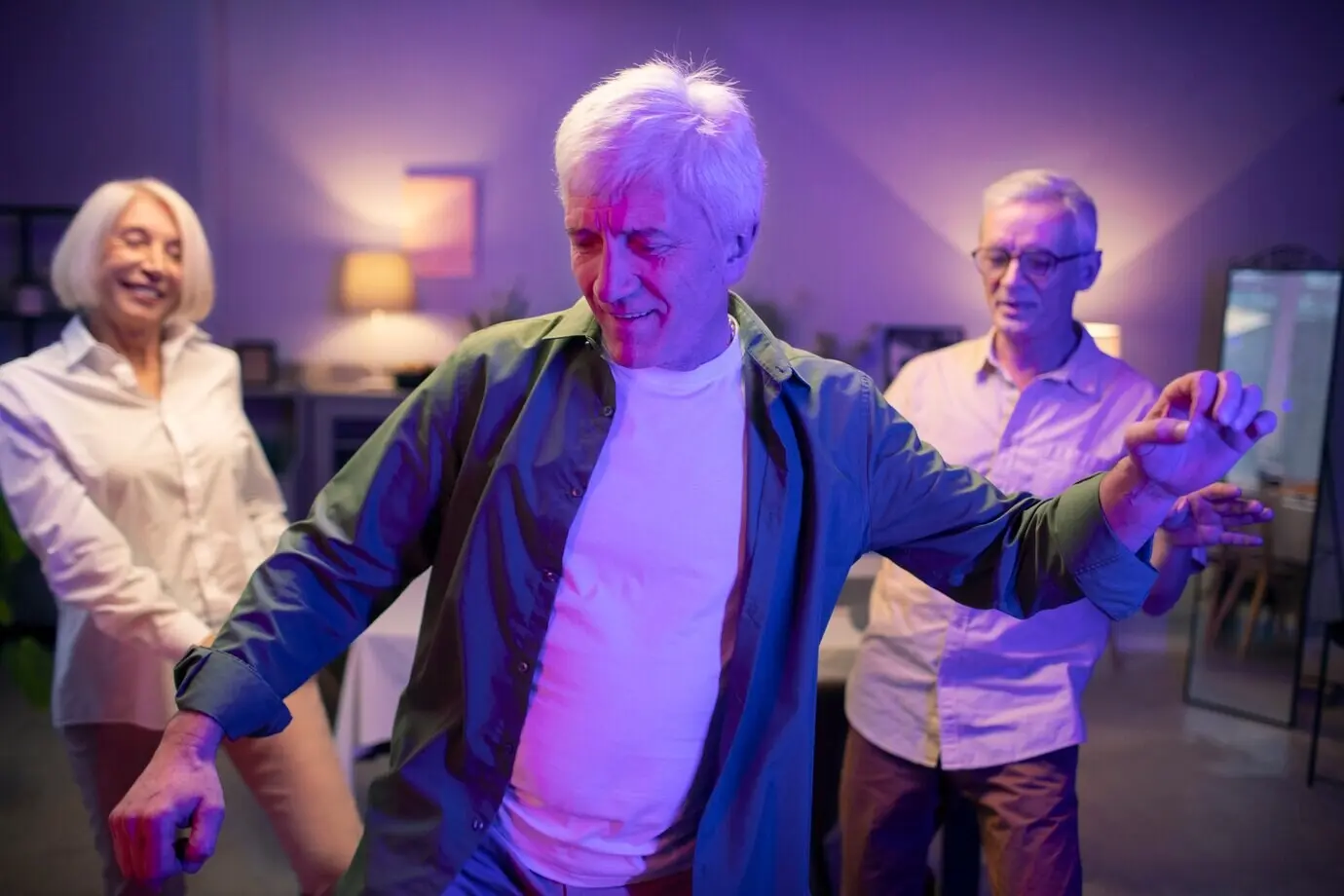
Collaboration shines when roles are flexible and communication is warm. Leaders and followers can trade responsibilities, adapt holds to chairs or mobility aids, and define boundaries that prevent fatigue. Count aloud, confirm comfort frequently, and celebrate short, successful phrases. A gentle, respectful frame allows creativity to flourish, even in small spaces. With consistent, compassionate cues, every partnership becomes a safe harbor where expression grows and progress feels encouraging, shared, and genuinely rewarding.

Music, Motivation, and a Practice You’ll Keep
Careful music choices and sustainable planning build momentum. Favor clear beats and compassionate tempos, adapting tango and foxtrot slightly slower than ballroom standards and choosing waltzes with warm, legato phrasing. Practice in ten to fifteen-minute blocks with generous breaks, logging comfort and favorite moments. Rotate focus—connection, timing, expression—to keep sessions fresh. Invite friends, share victories, and ask questions; community accountability turns gentle routines into joyful rituals that last and truly nourish.

Tempos that Help You Breathe

Pick tracks where you can complete movements without rushing: modest tango around the slower side of tradition, unhurried foxtrot with spacious counts, waltz that invites lingering second beats. Test an exercise at multiple speeds and choose the one that lets you monitor posture, savor phrasing, and maintain balance. Your best tempo is the one that makes safety instinctive, breath smooth, and expression natural, even during the last minute of practice.

Small-Space, Big-Feeling Routines

Design circuits that fit living rooms: two minutes of seated sways, one minute of torso spirals, thirty seconds of breath-led rise, repeat with a favorite song. Keep a chair, cushion, and band nearby for quick variations. End with a reflective pause, naming one success aloud. The predictability reduces decision fatigue, while musical variety keeps hearts engaged. Over weeks, you will notice smoother starts, calmer turns, and a meaningful lift in everyday confidence.
Mafilekemafuvavilelino
Privacy Overview

This website uses cookies so that we can provide you with the best user experience possible. Cookie information is stored in your browser and performs functions such as recognising you when you return to our website and helping our team to understand which sections of the website you find most interesting and useful.